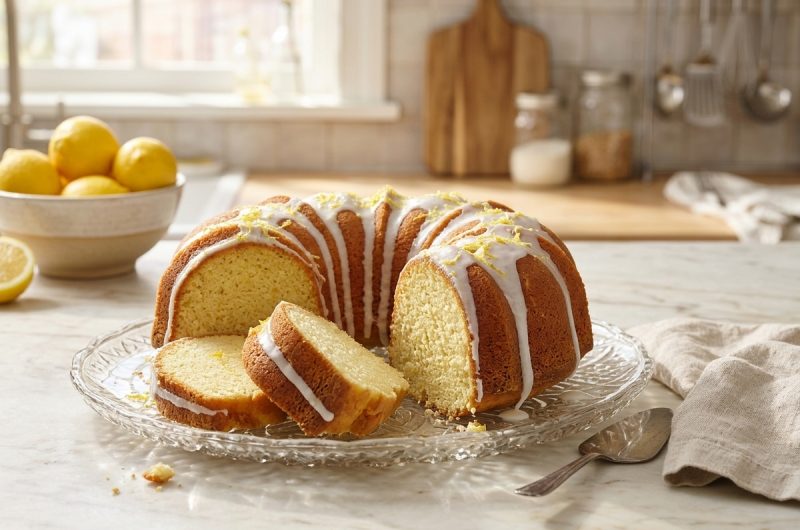

Lemon Ricotta Bundt Cake is a soft, tender Italian-inspired dessert that combines the creamy texture of ricotta cheese with the fresh, bright flavor of lemon. This homemade cake has a delicate crumb, a buttery richness, and a pleasant citrus aroma that makes every slice inviting.
Finished with a simple lemon glaze and optional candied lemon peel, it is a lovely choice for afternoon tea, family gatherings, celebrations, or whenever you want a homemade dessert with a refreshing flavor.
What makes this lemon ricotta cake different from many traditional cakes is the addition of whole milk ricotta cheese. Ricotta contributes moisture and a creamy texture without making the cake overly heavy. Combined with butter, sugar, eggs, and fresh lemon juice, it creates a balanced dessert that feels rich yet light enough to enjoy after a meal. The Bundt pan also gives the cake an attractive shape, allowing you to serve it with minimal decoration.
What Makes This Lemon Ricotta Bundt Cake Special?
A Moist and Tender Texture
The most appealing feature of this lemon ricotta Bundt cake is its moist interior. Ricotta cheese helps give the cake a soft, delicate crumb, while properly creamed butter and sugar create a lighter texture. When the ingredients are mixed correctly, the finished cake has enough structure to hold its beautiful Bundt shape without becoming dry or crumbly. Each slice offers a pleasant balance between a tender center and a lightly golden exterior.
Another important detail is the moisture level of the ricotta. Excess liquid can affect the consistency of the batter and the final texture of the cake. Straining the cheese before mixing it into the batter helps you achieve a more consistent result. Taking this small step before baking can make a noticeable difference, especially when the ricotta contains more liquid than usual.
Fresh Lemon Flavor in Every Slice
Fresh lemon gives this cake its distinctive citrus character. Both lemon zest and lemon juice are used to create a flavor that tastes bright and refreshing without overwhelming the sweetness of the cake. The zest contains fragrant citrus oils that contribute a deeper lemon aroma, while the juice provides a clean, tangy note. Together, they make this dessert particularly appealing to anyone who enjoys homemade lemon cakes.
For the best flavor, use a fresh lemon and grate only the yellow outer peel. The white layer underneath can taste bitter, so avoid grating too deeply. Adding the zest directly to the batter distributes the citrus aroma throughout the cake. A little fresh lemon juice in the glaze reinforces that flavor and creates a sweet finish that complements the creamy ricotta.
An Attractive Bundt Cake for Any Occasion
A Bundt cake looks impressive because of its distinctive ring shape, even when the decoration is simple. This makes lemon ricotta Bundt cake suitable for occasions when you want a homemade dessert that looks attractive without requiring complicated frosting techniques. A light lemon glaze flowing over the curved surface creates a lovely finish, while a small amount of candied lemon peel adds color and texture.
You can serve this cake for birthdays, holiday meals, weekend gatherings, afternoon tea, or casual family desserts. Its citrus flavor also makes it a pleasant option during spring and summer, although it can be enjoyed throughout the year. Because the cake has a balanced sweetness, it pairs well with fresh fruit and a cup of coffee or tea.
Butter and Granulated Sugar
Room-temperature butter is easier to cream with sugar than butter taken directly from the refrigerator. During creaming, the mixture incorporates air that helps create a lighter cake texture. Granulated sugar sweetens the batter and contributes to the cake’s structure and golden exterior. Allowing the butter to soften naturally makes it easier to mix without melting it, which is important for achieving the desired consistency.
Salted or unsalted butter can be used according to your preference. If using salted butter, remember that the recipe also includes kosher salt. The important point is to ensure that the butter is soft enough to mix easily but not greasy or melted. Properly creamed butter and sugar should look lighter and fluffier than when you first begin mixing.
Whole Milk Ricotta Cheese
Whole milk ricotta is an important ingredient in this Italian-style lemon cake. It adds richness and moisture while helping produce the soft texture that makes ricotta cakes different from standard butter cakes. Its mild flavor works particularly well with lemon, vanilla, and sugar, allowing the citrus to remain the main flavor without making the dessert taste overly sharp.
Drain the ricotta before adding it to the batter. Place it in a fine-mesh sieve over a bowl and allow the excess liquid to drain for approximately one hour. The time needed can vary depending on the brand and moisture content. Avoid skipping this step when the cheese looks particularly wet, because excess liquid may affect the batter and baking time.
Eggs and Vanilla Extract
Large eggs help bind the ingredients together and give the cake structure. Room-temperature eggs generally mix more evenly into the butter, sugar, and ricotta mixture than cold eggs. Add them along with the vanilla extract, lemon juice, and lemon zest after the ricotta mixture has become light and creamy. Mix until the ingredients are combined, rather than continuing to beat unnecessarily.
Vanilla extract adds a gentle sweetness and rounds out the citrus flavor. If you prefer a stronger lemon aroma, the original recipe also suggests adding half a teaspoon of lemon extract. This is an optional flavor adjustment rather than a replacement for the fresh lemon juice and zest.
All-Purpose Flour, Baking Soda, and Salt
All-purpose flour provides the structure needed to help the cake rise and hold its shape. Cake flour may also be used, although the texture can vary slightly. Measure the flour carefully to avoid adding too much, which can make the finished cake heavier or drier than intended. Whisking the flour with baking soda and salt before adding it to the wet ingredients helps distribute these dry ingredients evenly.
Baking soda is the leavening ingredient specified in this recipe, so do not automatically replace it with baking powder. Salt balances the sweetness and helps bring out the flavors of the butter, vanilla, and lemon. Once the dry ingredients are added, mix on low speed only until the flour disappears into the batter. Overmixing can affect the tenderness of the finished cake.
Powdered Sugar, Lemon Juice, and Candied Lemon Peel
Powdered sugar and fresh lemon juice create the simple glaze that finishes the cake. Powdered sugar dissolves readily and produces a smooth coating, while lemon juice adds a refreshing citrus taste. You can adjust the consistency according to your preference, making the glaze thin enough to run down the sides or thick enough to remain more visibly on the surface.
Candied lemon peel is an optional finishing ingredient that gives the cake a decorative touch. It adds a little color and a sweet citrus accent without requiring elaborate decoration. For a simple presentation, the glazed cake can be served without any additional topping. The cake itself has enough flavor to stand on its own.
How to Store Lemon Ricotta Bundt Cake
Store at Room Temperature
According to the supplied recipe guidance, leftover lemon ricotta Bundt cake can be kept in an airtight container at room temperature for up to three days. Store it in a cool, dry place away from direct sunlight and sources of heat. Covering the cake helps prevent the surface from drying out and keeps it from absorbing unwanted odors from the surrounding environment.
If you have already glazed the cake, allow the glaze to settle before covering it. Choose a container large enough to protect the cake’s shape and decorative finish. For the best texture, cut only the slices you need and keep the remaining cake covered between servings.
Refrigerate for Longer Storage
The supplied recipe also recommends refrigerating the cake for up to one week. This can be a practical option when your kitchen is warm or when you want to keep the cake for several days. Place it in an airtight container to protect the crumb from drying out and to prevent it from absorbing other refrigerator odors.
For a softer texture when serving, allow a refrigerated slice to sit briefly at room temperature before eating. Keep in mind that storage conditions and ingredient handling can affect freshness, so inspect leftovers before serving and discard them if they show signs of spoilage.
Frequently Asked Questions
Can I Use Another Type of Ricotta?
Whole milk ricotta is the recommended option because its richness helps create the intended moist texture. Other ricotta varieties may have different moisture levels and fat content, which can affect the finished cake. If you use another variety, drain it carefully and understand that the texture may differ slightly from the original recipe.
Why Should I Strain Ricotta Before Baking?
Ricotta can contain excess whey, which adds liquid to the batter. Draining helps you control the moisture level and supports a more consistent crumb. Place the cheese in a fine-mesh sieve over a bowl for approximately one hour, checking whether more liquid needs to drain before you begin mixing.
How Do I Know When the Cake Is Done?
The cake should bake for approximately 40 to 45 minutes at 350°F. Because ovens vary, use a toothpick to check the center of the cake. If it comes out clean, the cake is ready. If wet batter clings to it, bake a little longer and test again.
Can I Make This Recipe in Layer Cake Pans?
The supplied recipe suggests using two 8-inch cake pans instead of a Bundt pan. Divide the batter evenly between the prepared pans and begin checking for doneness earlier than you would for the Bundt cake. The baking time will be shorter, but the exact time depends on your oven and the depth of the batter in each pan.
Can I Make the Lemon Glaze Thicker or Thinner?
Yes. Adjust the glaze by changing the amount of liquid added to the powdered sugar. More lemon juice or water creates a thinner glaze, while less liquid produces a thicker consistency. Add the liquid gradually so you can control the finish without making the glaze too runny.
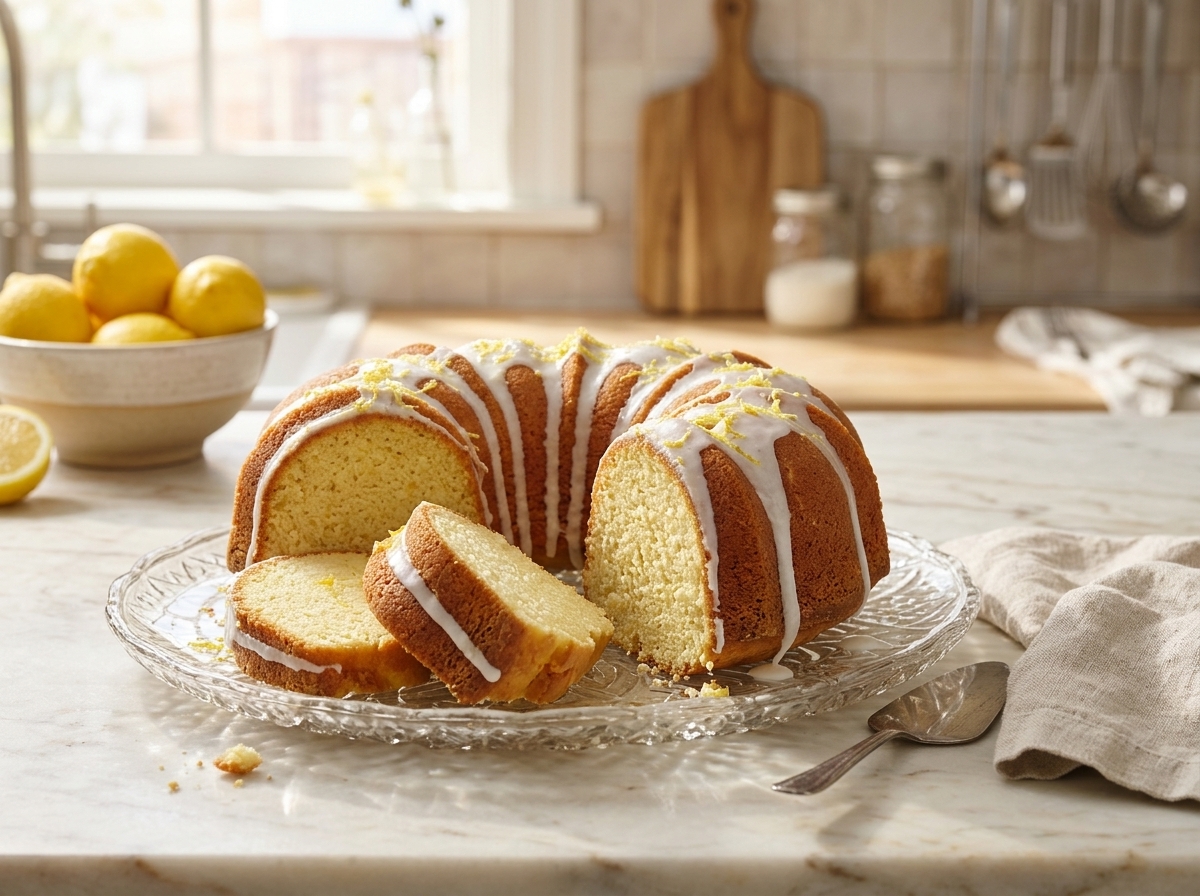
Lemon Ricotta Bundt Cake — Light and Fluffy Dessert
This is my go-to recipe for a wonderfully moist and flavorful Lemon Ricotta Bundt Cake, inspired by classic Italian baking. It’s a crowd-pleaser that’s surprisingly easy to make!
16
servings15
minutes45
minutes315
kcal1
hourIngredients
¾ cup (1 ½ sticks) unsalted butter, softened
1 ½ cups granulated sugar
15 ounces whole milk ricotta cheese, well-drained (see notes below)
3 large eggs, at room temperature
1 teaspoon pure vanilla extract
Zest and juice of 1 large lemon (preferably organic)
1 ½ cups all-purpose flour
½ teaspoon baking soda
½ teaspoon kosher salt
- For My Zesty Lemon Glaze:
2 cups powdered sugar
3 tablespoons fresh lemon juice (add more or less to reach desired consistency)
Candied lemon peel or fresh lemon slices, for decoration (optional)
Directions
- Preheat your oven to 350°F (175°C). Generously butter and flour your bundt cake pan, or spray it thoroughly with nonstick cooking spray. Set it aside.
- In a large mixing bowl or the bowl of a stand mixer, cream together the softened butter and granulated sugar until light and fluffy.
- Add the drained ricotta cheese to the butter-sugar mixture and blend until light and very well combined (about 5 minutes).
- Beat in the eggs one at a time, making sure each is fully incorporated. Stir in the vanilla extract, lemon juice, and lemon zest.
- In a separate bowl, whisk together the flour, baking soda, and salt. Gradually add the dry ingredients to the wet ingredients in two additions, mixing on low speed just until everything is combined. Be careful not to overmix.
- Pour the batter evenly into the prepared bundt cake pan and smooth the top.
- Bake for 40-50 minutes, or until a wooden skewer inserted into the center comes out clean.
- Let the cake cool in the pan for at least 15 minutes before carefully inverting it onto a wire rack to cool completely.
- While the cake cools, whisk together the powdered sugar and lemon juice in a small bowl until smooth. Add more lemon juice or a tiny bit of water if needed to get the right drizzling consistency.
- Once the cake is completely cool, drizzle the lemon glaze over the top. If you like, sprinkle with candied lemon peel or arrange fresh lemon slices for a pretty finish. Slice and enjoy!
Notes
- Draining Ricotta: To drain the ricotta, place it in a fine-mesh sieve over a bowl and let it sit for at least 30 minutes (or up to an hour in the fridge). You can also gently press it with the back of a spoon to help release more liquid.
- Limoncello Twist: For an adult version of the glaze, try substituting 1-2 tablespoons of the lemon juice with Limoncello liqueur.
- Make Ahead: This cake can be made a day or two in advance. Store it in an airtight container at room temperature.
- Glaze Absorption: If you want more glaze to soak into the cake, poke a few holes in the cooled cake with a skewer before drizzling.
