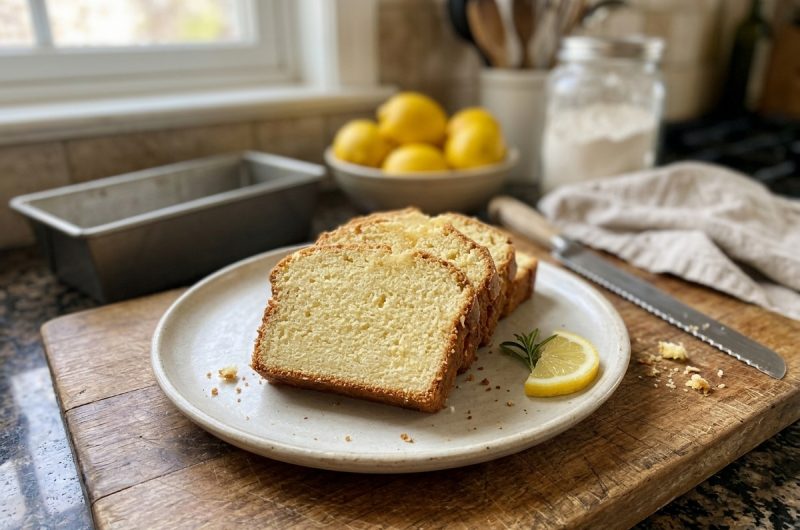

Homemade lemon cake is a wonderful choice when you want a dessert that tastes fresh, sweet, and slightly tangy. Made with real lemon juice and freshly grated lemon zest, this soft layer cake delivers citrus flavor in every bite.
The buttery cake layers have a tender crumb, while the creamy lemon cream cheese frosting adds a smooth finish that balances the sweetness beautifully. Whether you are preparing a birthday cake, a spring celebration dessert, or a treat for a weekend gathering, this lemon cake recipe is a delicious option to make from scratch.
Unlike cakes that depend on artificial lemon flavoring, this recipe uses fresh lemons to create its bright taste. Buttermilk helps keep the cake moist and light, while butter gives it a rich flavor and delicate texture. The combination of baking powder and baking soda helps the batter rise during baking, producing soft layers that are easy to stack and frost.
With familiar baking ingredients and straightforward preparation steps, this homemade lemon layer cake is suitable for home bakers who want a beautiful dessert without complicated techniques.
What Makes This Lemon Cake Special
Fresh Lemon Flavor in Every Layer
The best lemon cake should taste naturally citrusy rather than overly sweet or strongly flavored with artificial extracts. Fresh lemon zest provides much of the cake’s distinctive aroma because the yellow outer peel contains fragrant natural oils. Lemon juice adds a pleasant tartness that brightens the buttery cake and keeps the overall flavor from feeling too heavy. Using both ingredients gives the cake a more balanced lemon taste than relying on juice alone.
The lemon flavor continues into the cream cheese frosting, making the entire dessert feel consistent from the first bite to the last. A little zest adds fragrance, while lemon juice provides a gentle tang that complements the richness of butter and cream cheese. This combination creates a cake that works well for people who enjoy citrus desserts but still want the familiar sweetness and softness of a traditional homemade layer cake.
Soft, Moist, and Buttery Cake Layers
Texture is just as important as flavor when baking a lemon cake. A cake that contains too much flour or has been mixed excessively can become dense and dry, even when its ingredients are correct. This recipe uses softened butter and buttermilk to help produce a tender crumb. When the butter and sugar are beaten together properly, the mixture becomes lighter and incorporates air that helps support the cake’s texture as it bakes.
Buttermilk also contributes moisture and a subtle tang that pairs naturally with fresh lemon. Its acidity works alongside the baking soda, helping the batter develop carbon dioxide during mixing and baking. Combined with baking powder, this creates a reliable rise and a light texture. Measuring the flour carefully, using room-temperature ingredients, and mixing the batter only until the ingredients come together will help you achieve soft, evenly baked layers.
Creamy Lemon Cream Cheese Frosting
A good frosting should complement the cake rather than overpower it. Lemon cream cheese frosting provides a smooth, rich texture with enough citrus flavor to balance its sweetness. Butter helps create a fluffy consistency, while full-fat, brick-style cream cheese gives the frosting structure and a mild tang. Powdered sugar sweetens the mixture and helps it become thick enough to spread across the cake without running down the sides.
Fresh lemon zest and lemon juice give the frosting a bright finish that works especially well with the buttery cake layers. For the smoothest result, allow the butter and cream cheese to soften before mixing. Add the powdered sugar gradually, and scrape the sides of the bowl as needed so everything combines evenly. Once the frosting is fluffy and the cake layers have cooled completely, you can assemble a dessert that looks attractive on a serving plate and slices neatly for guests.
How to Make Lemon Cake from Scratch
Prepare the Cake Pans and Oven
Begin by preheating your oven to 350°F. Grease two 8-inch round cake pans with butter or baking spray, then line the bottoms with parchment paper to help prevent sticking. If you have fabric cake strips, you can soak them in water and wrap them around the outside of the pans before baking. These strips help the cake layers bake more evenly by keeping the edges from heating too quickly, which can reduce doming in the center.
Preparing the pans before mixing the batter makes the process easier because the cake mixture can go straight into the oven once it is ready. Measure all the ingredients in advance and bring the butter, eggs, and buttermilk to room temperature. This simple preparation helps the ingredients blend smoothly and allows you to focus on mixing the batter without rushing through the next steps.
Combine the Dry Ingredients
Add the all-purpose flour, baking powder, baking soda, and salt to a medium mixing bowl. Whisk them together until evenly distributed. This step helps spread the leavening agents throughout the flour, reducing the chance of uneven rising or small pockets of baking soda in the finished cake. Set the bowl aside while you prepare the butter mixture.
Whisking the dry ingredients separately also makes it easier to incorporate them into the wet ingredients without overmixing. Once flour comes into contact with liquid, gluten begins to develop, and excessive mixing can make the cake less tender. Having the dry mixture ready beforehand allows you to add it in stages and stop mixing as soon as the batter is combined.
Beat the Butter, Sugar, and Lemon Zest
Place the softened butter in a large mixing bowl or the bowl of a stand mixer fitted with a paddle attachment. Beat it at medium speed until creamy. Add the granulated sugar and fresh lemon zest, then continue beating for approximately five minutes, scraping down the bowl when necessary. The mixture should become lighter and fluffier as air is incorporated into the butter and sugar.
This stage is particularly important because the lemon zest releases fragrant oils as it is rubbed into the sugar and mixed with the butter. Those oils help distribute fresh lemon aroma throughout the cake. Avoid rushing this step, but also make sure the butter is softened rather than melted. Properly creamed butter creates a better starting point for a light cake with a fine, delicate crumb.
Add the Eggs and Liquid Ingredients
Add the eggs one at a time, beating after each addition and scraping down the sides of the bowl as needed. Allow each egg to blend into the butter mixture before adding the next. The mixture should remain reasonably smooth and fluffy. If the ingredients appear slightly separated, continue mixing gently until they are better incorporated before moving to the next stage.
In a separate measuring cup, combine the buttermilk, fresh lemon juice, and vanilla extract. These liquids provide moisture, acidity, and flavor. Keeping them together in one container makes the next stage easier because you can alternate between the liquid mixture and the dry ingredients without stopping to measure individual components during mixing.
Mix and Bake the Cake Batter
Reduce the mixer speed to low. Add one-third of the flour mixture, followed by half of the buttermilk mixture. Continue alternating, finishing with the remaining flour mixture. Scrape the bowl occasionally to make sure there are no dry patches at the bottom or along the sides. Stop mixing as soon as the ingredients are combined, since excessive mixing can develop too much gluten and affect the cake’s tenderness.
Divide the batter evenly between the prepared cake pans and smooth the tops gently. Bake at 350°F for 35 to 40 minutes, checking near the end of the baking time. The cakes are ready when the centers spring back lightly when touched and the edges begin to pull away from the pans. Because ovens can vary, begin checking toward the earlier end of the suggested baking time rather than relying on the clock alone.
Cool the Cake Layers Completely
Remove the pans from the oven and allow the cakes to cool in the pans for about 15 minutes. This resting time helps the layers firm up enough to release more easily. Carefully invert the cakes onto wire racks and remove the parchment paper from their bottoms. Leave them on the racks until they are completely cool before adding any frosting.
Cooling is essential when preparing a layered cake with cream cheese frosting. Warm cake can soften the butter and cream cheese in the frosting, causing it to melt or slide off the sides. If you are preparing the cake ahead of time, let the layers cool fully before wrapping or storing them. Taking care at this stage helps the cake remain stable during assembly and makes it easier to spread the frosting neatly.
Helpful Tips for the Best Homemade Lemon Cake
Measure the Flour Carefully
Accurate flour measurement is one of the most useful ways to prevent dry cake layers. A kitchen scale provides the most consistent result. If you use measuring cups, fluff the flour with a spoon, gently spoon it into the cup, and level the top with a straight edge. Scooping directly from the flour bag can pack too much flour into the cup, making the batter heavier and reducing its moisture.
Use the Yellow Part of the Lemon Peel
When zesting lemons, collect only the yellow outer skin and avoid the thick white pith underneath. The yellow peel contains aromatic oils that give the cake its fresh citrus character, while the pith can taste bitter. A fine grater or microplane works well for creating small pieces of zest that distribute evenly throughout the butter mixture and frosting.
Bring Refrigerated Ingredients to Room Temperature
Room-temperature butter, eggs, buttermilk, and cream cheese are easier to combine than ingredients straight from the refrigerator. Cold ingredients can cause the butter mixture to become uneven, while softened cream cheese helps the frosting blend smoothly. Set the ingredients out before starting, allowing enough time for them to soften without becoming warm or greasy.
Choose the Right Cake Pan
Two 8-inch round pans produce relatively tall layers that work well for a traditional layer cake. If you use two 9-inch round pans, the layers will be thinner and may bake in about 30 minutes, although you should check for doneness rather than relying entirely on time. For a 9-by-13-inch sheet cake, place all the batter in a greased and lined pan and bake for approximately 30 to 35 minutes. A deep Bundt pan is not recommended for this particular soft cake batter.
Frequently Asked Questions About Lemon Cake
How do I keep lemon cake from becoming dry?
The most important steps are measuring the flour correctly, using the specified amount of buttermilk, and avoiding overmixing once the flour is added. Check the cake near the end of the suggested baking time because leaving it in the oven too long can dry out the layers. Let the cakes cool properly before frosting, and store the finished dessert covered to help retain moisture.
Can I make lemon cake ahead of time?
Yes, you can bake the cake layers ahead of time and assemble them later. Allow the layers to cool completely before wrapping them securely and storing them. You can also prepare the frosting in advance and refrigerate it in a covered container. Before assembling, allow refrigerated frosting to soften enough to spread smoothly, and beat it briefly if needed to restore its consistency.
How should I store leftover lemon cake?
Because this recipe uses cream cheese frosting, refrigerate leftover cake in an airtight container or under a suitable cake cover. Refrigeration helps keep the frosting firm and the cake fresh. For the best texture and flavor, let an individual slice stand at room temperature briefly before serving, while avoiding leaving the frosted cake out for extended periods.
Can I make this recipe as a sheet cake?
Yes. Transfer the batter to a greased and lined 9-by-13-inch baking pan and bake at 350°F for approximately 30 to 35 minutes. Check the center for doneness before removing the cake from the oven. You can spread the frosting over the top only or increase the frosting quantity if you want a thicker covering and additional decoration.
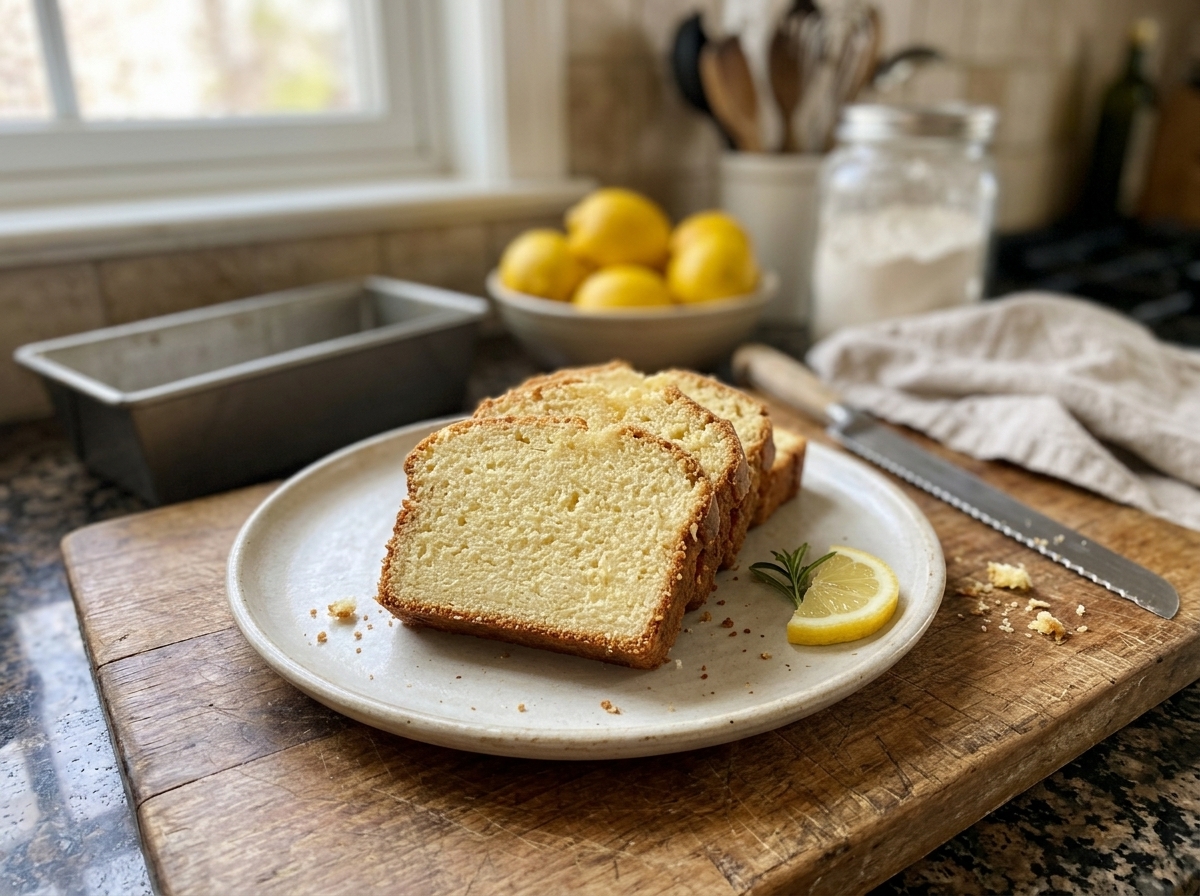
Lemon Cake Dessert
This homemade lemon cake features soft, buttery layers flavored with fresh lemon juice and zest.
10-12
servings30
minutes35
minutes1005
kcal1
hour5
minutesIngredients
- For the Lemon Cake
2½ cups all-purpose flour (300 g)
1½ teaspoons baking powder
½ teaspoon baking soda
¾ teaspoon salt
1 cup unsalted butter, softened (227 g)
1½ cups granulated sugar (300 g)
2 tablespoons lemon zest (about 2 lemons)
3 large eggs, room temperature
1 cup low-fat buttermilk, room temperature (240 ml)
¼ cup fresh lemon juice (about 2 lemons) (60 ml)
1 tablespoon vanilla extract
- For the Lemon Cream Cheese Frosting
1 cup unsalted butter, room temperature (227 g)
8 ounces cream cheese, room temperature (226 g)
1 tablespoon lemon zest (about 1 lemon)
7 cups powdered sugar (840 g)
2 tablespoons lemon juice (about 1 lemon)
½ teaspoon vanilla extract
Directions
- Prepare the Cake Pans
Preheat the oven to 350°F. Grease two 8-inch round cake pans with butter or baking spray and line the bottoms with parchment paper. If desired, wrap the pans with soaked fabric baking strips to encourage even baking. - Mix the Dry Ingredients
Whisk together the flour, baking powder, baking soda, and salt in a medium bowl. Set aside. - Cream the Butter and Sugar
Beat the softened butter at medium speed until creamy. Add the granulated sugar and lemon zest, then continue beating for about 5 minutes until the mixture becomes light and fluffy. - Incorporate the Eggs
Add the eggs one at a time, beating well after each addition. Scrape down the sides of the bowl between additions to help everything combine evenly. - Combine the Wet Ingredients
Stir together the buttermilk, fresh lemon juice, and vanilla extract in a liquid measuring cup. - Finish the Batter
With the mixer on low speed, add one-third of the flour mixture, followed by half of the buttermilk mixture. Continue alternating, finishing with the remaining flour mixture. Mix only until combined, then divide the batter evenly between the prepared pans. - Bake the Cake Layers
Bake for 35–40 minutes, or until the centers spring back lightly and the sides begin to pull away from the pans. Let the cakes cool in their pans for 15 minutes before turning them out onto wire racks. Allow them to cool completely. - Make the Lemon Frosting
Beat the butter and cream cheese together at medium speed until creamy. Add the lemon zest and beat for about 3 minutes until light and fluffy. - Add the Sugar and Flavoring
Gradually add the powdered sugar, alternating with small amounts of lemon juice. Scrape the bowl as needed, then mix in the vanilla extract. Increase the speed to medium-low and beat for about 1 minute until smooth and fluffy. - Assemble and Decorate
Remove the parchment paper from the cooled cake layers. Place one layer on a cake stand or serving plate and spread approximately 1 cup of frosting over the top. Add the second layer and cover the top and sides with the remaining frosting. Decorate with thin lemon slices or edible flowers if desired.
Notes
- Zest the lemons before juicing them for easier handling and better results.
- Roll each lemon firmly under your palm on the countertop before squeezing to help release more juice.
- Use only the yellow outer peel when zesting; the white pith can taste bitter.
- Measure the flour carefully to avoid a dry, dense cake.
- Use room-temperature ingredients for a smoother batter and frosting.
- Let the cake layers cool completely before frosting to prevent melting.
- Optional: Add 1–2 drops of yellow food coloring to the frosting for a pale yellow appearance.
- For a 9-inch round cake, the layers will be thinner and may bake in about 30 minutes.
- For a 9-by-13-inch sheet cake, bake for approximately 30–35 minutes.
- Store leftover cake covered in the refrigerator because of the cream cheese frosting.
Nutrition Facts
- Calories: 1005kcal
- Fat: 47g
- Carbohydrates: 141g
- Fiber: 1g
- Sugar: 115g
- Protein: 8g
