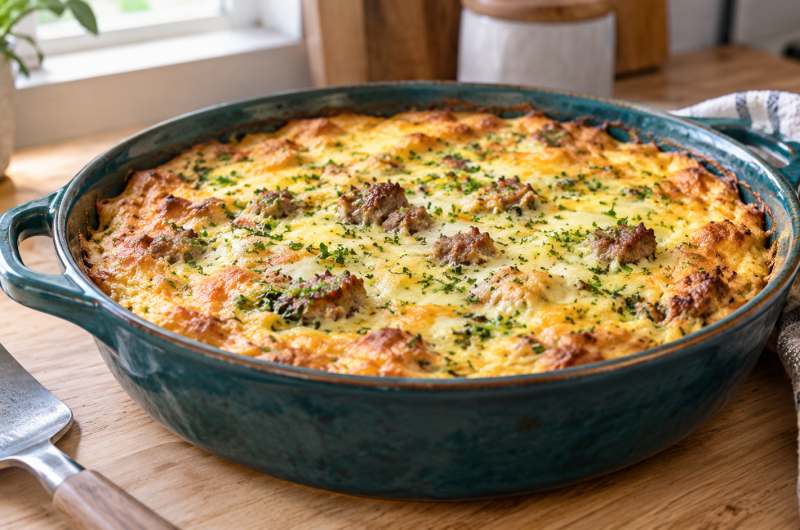

Crustless quiche is a simple, satisfying dish that delivers the creamy texture and rich flavor of traditional quiche without the extra step of preparing a pastry crust. Made with eggs, milk, cheese, and your favorite vegetables or meats, this easy crustless quiche recipe is suitable for breakfast, brunch, lunch, or a light dinner.
It combines everyday ingredients into a flavorful meal that feels special enough for guests but is practical for busy weekdays. Without a crust to prepare, the recipe also saves time and makes cleanup easier.
One of the best things about a healthy crustless quiche is its flexibility. You can prepare it with broccoli and bacon, add fresh spinach, use leftover ham, or combine different vegetables and cheeses to create your own version.
The egg mixture provides a creamy, tender base, while the cheese adds richness and the optional seasonings bring out the flavors of the other ingredients. Whether you prefer a hearty breakfast or a lighter meal, this versatile recipe is easy to adapt to your preferences and the ingredients already available in your kitchen.
What Is Crustless Quiche?
Traditional quiche is a savory baked egg dish usually prepared inside a pastry shell. The filling commonly includes eggs, milk or cream, cheese, vegetables, and sometimes meat. Crustless quiche follows the same basic idea but leaves out the pastry. Instead, the egg mixture is baked directly in a greased pie dish until it becomes firm around the edges and tender in the center.
Removing the crust makes this recipe especially convenient for home cooks who want a straightforward meal without making or purchasing pastry. It also allows the ingredients in the filling to take center stage. Every slice contains the flavors of the eggs, cheese, seasonings, and selected mix-ins, creating a delicious combination that works well for different occasions. Since the dish does not rely on a flour-based crust, it is naturally gluten-free when all ingredients, including seasonings and mix-ins, are verified to be gluten-free.
What Makes This a Healthy Crustless Quiche?
A homemade crustless quiche can be a satisfying addition to a balanced eating plan because eggs provide protein, while milk and cheese contribute additional protein and calcium. The recipe also allows you to include vegetables such as broccoli, spinach, onions, and roasted peppers.
These ingredients add flavor, color, and variety without requiring a complicated preparation process. You can adjust the filling to suit your household’s preferences while keeping the basic egg mixture consistent.
Another advantage is that you can control the ingredients used in the recipe. Instead of relying on a prepared pastry shell, you can focus on the egg filling and choose the vegetables, cheeses, and meats that suit your needs. The recipe uses whole milk and half-and-half for a rich texture without requiring heavy cream.
Although eggs and cheese contribute fat and calories, portion sizes and ingredient choices can help you adapt the dish to your overall meal plan.
The nutritional value will vary depending on your chosen mix-ins. A vegetable-filled version may have a different calorie count from one prepared with bacon and additional cheese. The nutrition information provided with the recipe applies to the quiche base without mix-ins, so remember that adding meat, vegetables, or other ingredients can change the final values.
Delicious Crustless Quiche Variations
One of the biggest advantages of this recipe is that you can change the filling without learning a new cooking method. Keep the egg, milk, and half-and-half mixture consistent, then experiment with different combinations of vegetables, meats, and cheeses. Using approximately one and a half cups of prepared mix-ins provides a helpful starting point. Cooking vegetables and meats before adding them to the dish will generally produce a more reliable result.
Broccoli and Bacon Quiche
Broccoli and bacon create a satisfying combination of fresh vegetable flavor and smoky richness. The broccoli adds texture, while the bacon contributes savory notes that pair naturally with Gruyère cheese. Adding thinly sliced onion gives the filling another layer of flavor. This variation works well for weekend brunch, but it is equally suitable for a quick lunch or an easy dinner served with a green salad.
Spinach and Feta Quiche
For a vegetable-focused option, combine spinach with feta cheese. Spinach provides an earthy flavor, while feta adds a salty, tangy contrast to the creamy egg mixture. Fresh spinach should be cooked before use, and frozen spinach should be thawed and squeezed to remove excess water. This small preparation step helps prevent the quiche from becoming watery and allows the egg filling to set more evenly.
Cheddar and Broccoli Quiche
Sharp cheddar and broccoli are a familiar pairing that works especially well in a crustless egg dish. The cheddar melts into the filling and provides a pronounced cheese flavor, while broccoli brings a mild, fresh taste. You can use this combination for a meat-free breakfast or brunch. Make sure the broccoli is chopped into small pieces so it distributes evenly and is easy to cut through when serving.
Southwest-Style Quiche
A Southwest-inspired version can be made with cooked chorizo, chopped red peppers, and pepper jack cheese. The chorizo contributes a bold, savory flavor, while the peppers add color and sweetness. Pepper jack provides a little heat and complements the other ingredients. Cook the chorizo and vegetables before assembling the quiche, then use the same egg mixture and baking temperature described in the main recipe.
Ham and Cheese Quiche
Leftover cooked ham is an excellent way to make a more substantial crustless quiche. Cut the ham into small cubes and combine it with a cheese such as Gruyère or sharp cheddar. The result is a savory filling that is suitable for breakfast, brunch, or a light dinner. If the ham is particularly salty, taste your other ingredients before adding extra salt so the finished dish remains balanced.
Roasted Vegetable Quiche
Roasted vegetables can add sweetness, color, and texture to the filling. Chopped roasted peppers, zucchini, onions, or other vegetables can be combined with a melting cheese to create a flavorful meat-free meal. Allow the vegetables to cool before adding them to the egg mixture, and avoid using vegetables that retain a large amount of liquid. This variation is especially useful when you have leftover roasted vegetables that need to be used.
Artichoke and Broccoli Quiche
Artichoke hearts and broccoli make a flavorful vegetarian combination. Artichokes have a distinctive, slightly tangy taste that works well with the mild flavor of eggs and the richness of cheese. Drain artichokes thoroughly before chopping and adding them to the dish. Pair them with Gruyère, fontina, or another suitable cheese for a balanced filling that offers something different from the usual bacon and egg combination.
Mini Crustless Quiches
You can also prepare this recipe in a muffin tin for individual portions. Divide the prepared mix-ins among greased muffin cups, add the cheese, and pour in the egg mixture without filling the cups to the very top. Bake at 350°F, checking earlier than you would for a full-size quiche because smaller portions cook more quickly. The exact time will depend on the size of the muffin cups and the amount of filling in each one.
What to Serve With Crustless Quiche
Crustless quiche is versatile enough to serve with a wide range of side dishes. For breakfast, pair it with fresh fruit, whole-grain toast, or a simple bowl of berries. At brunch, it works well alongside a fresh salad, roasted potatoes, muffins, or other breakfast favorites. These sides add variety to the table and allow you to build a meal that suits the occasion without making the quiche itself more complicated.
For lunch or dinner, a crisp green salad with a light dressing is an easy choice. Steamed vegetables, roasted asparagus, or a bowl of vegetable soup can also complement the richness of the eggs and cheese. If you are preparing brunch for guests, serve the quiche with fresh fruit and a selection of simple sides so that people can choose the combination they enjoy most.
For a beverage pairing, coffee, tea, fresh juice, or sparkling water works well for breakfast. If you are serving brunch or dinner for adults, wine can also complement the dish. Riesling, Chardonnay, and Sauvignon Blanc are possible white-wine options, while Champagne offers a festive choice for a special gathering. Select a drink that suits the filling and the occasion.
Tips for Making the Best Crustless Quiche
Cook Vegetables Before Baking
Vegetables such as broccoli, onions, and spinach can release moisture as they cook. Sautéing or roasting them first helps remove excess water and improves their flavor. This is particularly important when using frozen vegetables or ingredients with a high water content. Properly prepared vegetables help the egg mixture set and reduce the chance of ending up with a watery quiche.
Measure the Dairy Carefully
The relationship between eggs and dairy affects the final texture. Follow the listed quantities of whole milk and half-and-half for the best chance of achieving a creamy filling that sets properly. Adding extra milk may make the mixture too loose, while reducing the liquid too much can result in a firmer texture. If you are changing the recipe for a different pan size, adjust the ingredients proportionally.
Grate Cheese Fresh When Possible
Freshly grated cheese often melts more smoothly than some pre-shredded varieties, which may contain ingredients that help prevent clumping. Grating Gruyère just before preparing the quiche can help the cheese distribute evenly throughout the filling. Choose a cheese with a flavor that complements your mix-ins, and avoid adding so much cheese that it overwhelms the eggs.
Avoid Overbaking
A crustless quiche should be set in the center without becoming dry or rubbery. Begin checking near the end of the suggested baking time, since ovens and baking dishes vary. The center should no longer look liquid, and the edges should be lightly golden. Let the quiche rest briefly after baking so the filling can settle before you slice and serve it.
Prepare Ingredients Ahead of Time
You can cook and refrigerate your selected mix-ins up to one day before baking. This makes the recipe particularly useful when preparing breakfast for guests or planning meals for a busy week. You can also assemble the unbaked quiche, cover it tightly, and refrigerate it for up to one day before baking. Allow the chilled dish to sit briefly at room temperature while the oven preheats, and bake until the center is fully set.
How to Store and Reheat Crustless Quiche
Refrigerating Leftovers
Allow the cooked quiche to cool slightly, then transfer leftovers to an airtight container and refrigerate promptly. The recipe’s storage guidance allows refrigeration for up to three days. Keeping the quiche covered helps preserve its texture and prevents it from absorbing odors from other foods in the refrigerator. For the best quality, store individual slices separately so they are easy to reheat when needed.
Reheating the Quiche
To reheat a portion, place it in an oven-safe dish and warm it in an oven preheated to 350°F until heated through. The exact time will depend on the size and thickness of the slice. You can also use a microwave for convenience, heating in short intervals and checking the center between intervals. Avoid overheating, as this can make the eggs firm and reduce the creamy texture.
Freezing Crustless Quiche
Crustless quiche can be frozen for longer storage. Wrap the cooled quiche tightly in plastic wrap and place it in an airtight, freezer-safe container. The supplied recipe guidance recommends freezing for up to three months. When ready to eat, thaw it overnight in the refrigerator before reheating. Individual slices can also be wrapped separately, making it easier to take out only the amount you need.
Frequently Asked Questions About Crustless Quiche
Is Crustless Quiche Gluten-Free?
Crustless quiche does not contain a pastry crust, so the basic recipe is naturally gluten-free when the ingredients used are gluten-free. Check the labels on cheese, mustard, bacon, and any prepared mix-ins if you need to avoid gluten strictly. Cross-contact during preparation can also matter for people with celiac disease or significant gluten sensitivity.
Why Is My Crustless Quiche Watery?
Excess moisture from vegetables is a common reason for a watery quiche. Ingredients such as spinach, broccoli, mushrooms, and frozen vegetables should be cooked or drained appropriately before assembly. Too much dairy can also prevent the egg mixture from setting firmly. Follow the ingredient quantities, distribute the filling evenly, and bake until the center is fully cooked.
Can I Make Crustless Quiche Without Heavy Cream?
Yes. This recipe uses whole milk and half-and-half instead of heavy cream. The combination provides richness while keeping the ingredient list straightforward. The eggs help the mixture set, and the cheese adds additional flavor and creaminess. Using the specified amounts helps maintain the intended balance between a tender texture and a filling that can be sliced neatly.
Can I Make It Vegetarian?
Yes. Simply leave out the bacon or other meat and choose vegetables such as broccoli, spinach, artichokes, onions, or roasted peppers. Pair the vegetables with Gruyère, cheddar, feta, or another suitable cheese. Cook vegetables before adding them to the egg mixture when needed, particularly if they contain excess moisture. Check cheese and other packaged ingredients if you follow a strict vegetarian diet.
How Do I Know When the Quiche Is Done?
The edges should look lightly golden, and the center should be set rather than liquid. Insert a thin, sharp knife into the center to check whether uncooked egg mixture remains. If the center still looks wet, continue baking and check again after a few minutes. Allow the finished quiche to rest briefly before cutting so the slices hold together more easily.
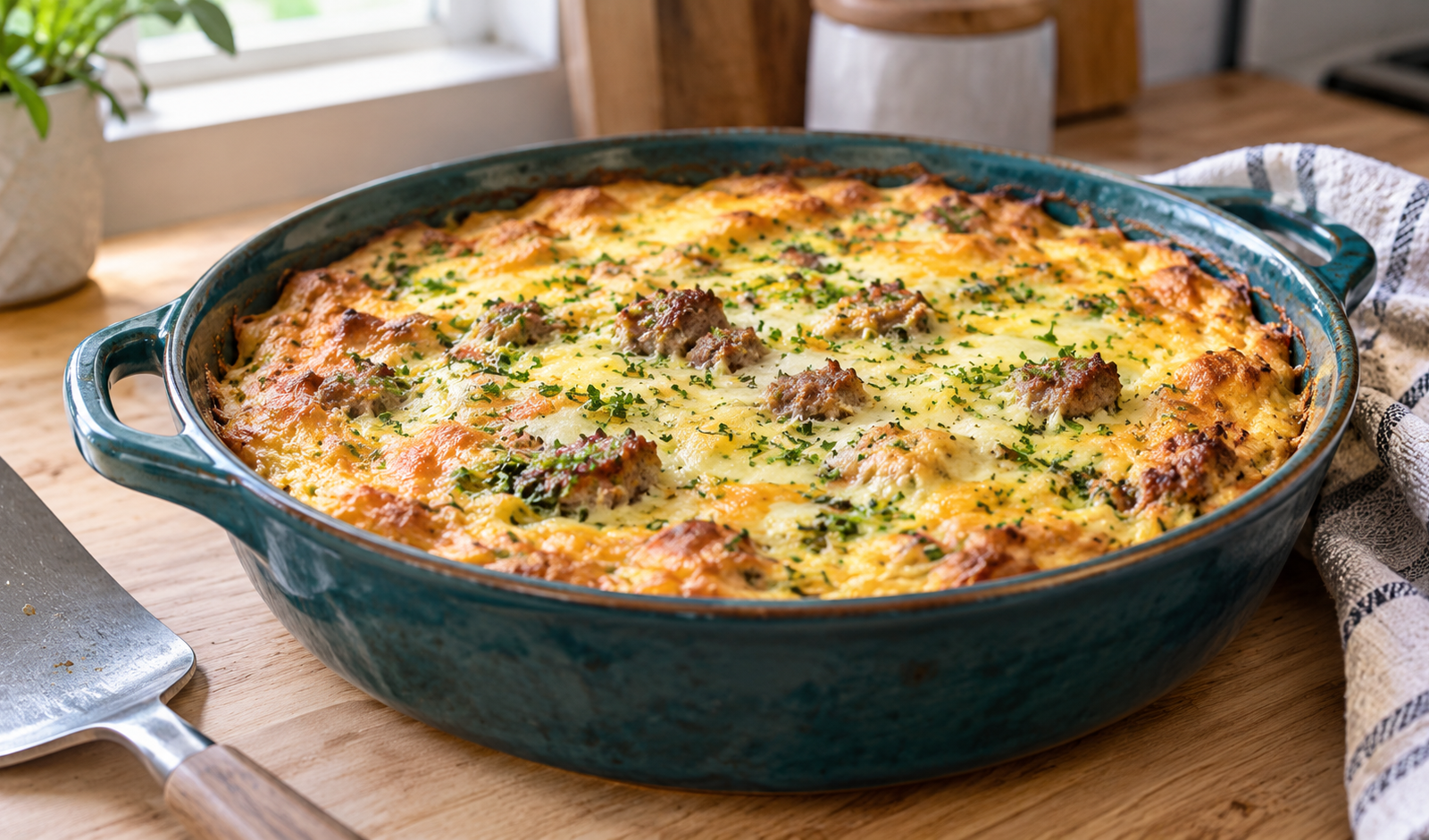
Healthy Crustless Quiche
This easy crustless quiche features a creamy egg filling, melted Gruyère cheese, and your choice of vegetables or meat.
4
servings15
minutes35
minutes231
kcal50
minutesIngredients
- For the Quiche Base
6 large eggs
⅔ cup whole milk
¼ cup half-and-half
½ teaspoon kosher salt
¼ teaspoon ground black pepper
1 teaspoon Dijon mustard (optional)
Pinch of ground nutmeg (optional)
1½ cups mix-ins of choice
⅔ cup grated Gruyère cheese, or fontina, sharp cheddar, or smoked mozzarella
2 tablespoons chopped fresh chives
- Optional Mix-Ins
Cooked, crumbled bacon
Chopped and sautéed broccoli
Caramelized onions
Cubed leftover ham
Roughly chopped roasted vegetables
Directions
- Preheat the oven to 350°F and position a rack in the center. Coat a deep 9-inch pie dish with nonstick cooking spray.
- Prepare your chosen mix-ins, cooking vegetables and meats as needed before assembling the quiche.
- In a large mixing bowl, whisk together the eggs, whole milk, half-and-half, salt, black pepper, Dijon mustard, and nutmeg until evenly combined.
- Spread the prepared mix-ins evenly across the bottom of the greased pie dish.
- Sprinkle the grated cheese over the filling.
- Carefully pour the egg mixture into the dish and scatter the chopped chives over the top.
- Place the pie dish on a rimmed baking sheet and bake for approximately 35 minutes, or until the edges are lightly golden and the center is set.
- Check the center with a thin, sharp knife to ensure no uncooked egg mixture remains.
- Let the quiche cool for a few minutes before cutting it into four portions. Serve warm.
Notes
- Broccoli and bacon variation: Chop 4 slices of thick-cut bacon into bite-sized pieces. Cook in a skillet over medium-low heat for about 8 minutes, until crisp. Transfer the bacon to a towel-lined plate and discard all but 1 tablespoon of the bacon fat. Add 2 cups of finely chopped broccoli florets and 1 small, very thinly sliced red or yellow onion. Sauté for about 10 minutes, until the onion is tender. Use these ingredients as the mix-ins.
- Storage: Refrigerate leftovers in an airtight container for up to 3 days.
- Reheating: Warm leftovers in an oven-safe dish at 350°F until heated through, or use a microwave in short intervals.
- Freezing: Wrap the cooled quiche tightly in plastic wrap and place it in an airtight, freezer-safe container for up to 3 months. Thaw overnight in the refrigerator before reheating.
- Make-ahead option: Prepare the mix-ins up to one day in advance and refrigerate. You can also assemble the unbaked quiche, cover it tightly, and refrigerate for up to one day before baking.
- Customization: Keep the total amount of prepared mix-ins close to 1½ cups for a balanced filling. Cook vegetables first when needed to remove excess moisture.
Nutrition Facts
- Calories: 231kcal
- Fat: 17g
- Carbohydrates: 3g
- Sugar: 2g
- Protein: 17g
