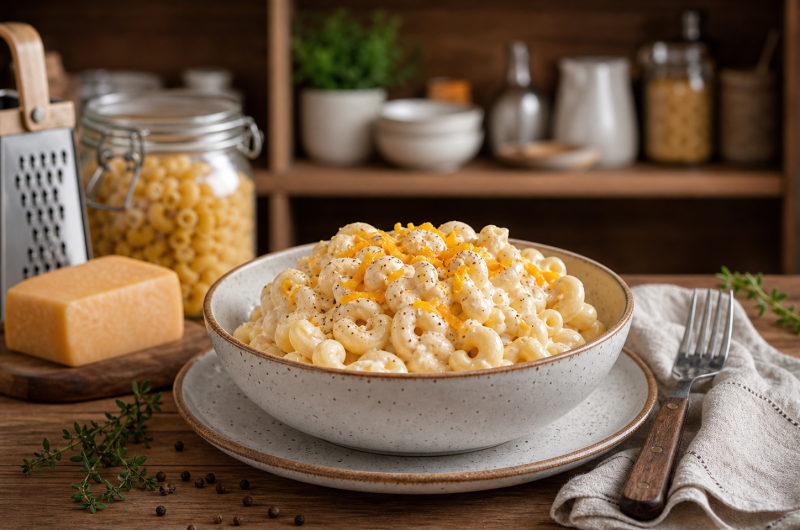

High protein mac and cheese is a simple way to enjoy a classic comfort food while adding more protein to your meal. This version uses high-protein pasta, cottage cheese, Greek yogurt, cheddar cheese, and Parmesan cheese to create a creamy sauce. The result is rich, cheesy, and filling while still being suitable for a balanced meal plan.
Traditional macaroni and cheese often focuses mainly on pasta and cheese. This recipe uses protein-rich ingredients to change the nutritional balance while keeping the familiar creamy texture. It is a useful option for people looking for high protein dinner recipes, easy pasta meals, or homemade comfort food.
The recipe is also practical for busy days because it can be prepared in about 30 minutes. You can serve it as a complete meal or pair it with vegetables, a fresh salad, or another protein source. It also works well for preparing meals ahead of time.
Why This Mac and Cheese Has More Protein
The protein in this recipe comes from several ingredients rather than only one source. High-protein pasta forms the base, while cottage cheese and Greek yogurt add more protein to the creamy sauce.
Cheddar cheese, Parmesan cheese, and milk also contribute to the overall protein content. When these ingredients are combined, they create a filling pasta dish with a higher protein level than many traditional mac and cheese recipes.
The original recipe states that it contains more than 35 grams of protein per serving. The exact amount may vary depending on the brands and ingredients used, especially the type of high-protein pasta and dairy products.
This makes the recipe suitable for people who want more protein in their lunch or dinner. It can also fit into meal plans for active people, families, and anyone who wants a filling homemade pasta dish.
High-Protein Pasta Creates a Filling Base
High-protein pasta is the main base of this recipe. It provides the familiar pasta texture while helping increase the protein content of the finished dish.
Different types of high-protein pasta may be made with ingredients such as legumes, chickpeas, lentils, or protein-enriched wheat. The exact ingredients depend on the pasta you choose, but these options can provide more protein than regular pasta.
Cook the pasta according to the package instructions and aim for an al dente texture. Pasta that is cooked too long can become overly soft after it is mixed with the warm cheese sauce.
Before draining, reserve some pasta water. The reserved water can be useful later if the sauce needs a thinner consistency. Add it gradually rather than using too much at once.
Cottage Cheese Makes the Sauce Smooth
Cottage cheese is one of the key ingredients in this high protein mac and cheese recipe. It adds protein while helping create the base of the creamy cheese sauce.
The important step is blending the cottage cheese thoroughly. Once blended with the other sauce ingredients, its texture becomes smooth and works well as part of the creamy mixture.
Many people may expect cottage cheese to leave visible curds in the sauce. Blending changes the texture and helps create a smoother result before the sauce is heated.
The cottage cheese is blended with Greek yogurt, milk, Dijon mustard, and seasonings. This creates a smooth mixture that is ready to be gently heated before the cheddar and Parmesan are added.
Greek Yogurt Adds Protein and Tang
Greek yogurt is another ingredient that supports the protein content of the sauce. It also adds a light tang that works well with the richer flavor of the cheeses.
When blended with cottage cheese, it helps create a smooth and creamy base. The milk helps adjust the consistency so the sauce can coat the cooked pasta evenly.
Greek yogurt also works with the Dijon mustard and lemon-free seasoning blend used in this recipe. The combination gives the cheese sauce a balanced flavor without relying on heavy cream.
Heat the sauce gently over medium-low heat. High heat can affect the texture of dairy-based sauces, so slower heating and regular stirring help the mixture stay smooth.
Cheddar and Parmesan Create the Classic Cheese Flavor
Sharp cheddar cheese provides the main familiar mac and cheese flavor. It melts into the blended dairy base and gives the sauce its rich, cheesy taste.
Freshly grated Parmesan adds another layer of savory flavor. When stirred into the warm sauce with the cheddar, it helps create a fuller cheese flavor throughout the pasta.
Freshly grated cheese can melt more smoothly than some packaged shredded cheeses. Grating the cheese before starting can also make the cooking process easier once the sauce is ready.
Add the cheeses gradually while stirring. This gives them time to melt into the sauce and helps create an even texture before the cooked pasta is added.
Seasonings Add Depth Without Overpowering the Cheese
Dijon mustard is used in a small amount to support the flavor of the cheese. It adds depth without making the sauce taste strongly of mustard.
Garlic powder and onion powder give the sauce a mild savory flavor. Smoked paprika adds a gentle smoky taste and a little color to the mixture.
Salt and black pepper complete the seasoning. Add them according to the recipe and adjust carefully if needed, keeping in mind that cheddar and Parmesan can already contain salt.
These seasonings work together to support the cheese instead of covering it. The finished dish should still taste like creamy homemade mac and cheese with a balanced savory flavor.
How to Make the Cheese Sauce Smooth
The sauce begins by blending the cottage cheese, Greek yogurt, milk, Dijon mustard, garlic powder, onion powder, smoked paprika, salt, and black pepper until smooth.
Pour the blended mixture into a saucepan and warm it over medium-low heat. Stir regularly as it heats to help maintain an even texture.
Gradually add the shredded cheddar and grated Parmesan. Continue stirring until both cheeses have melted and the sauce becomes smooth enough to coat the pasta.
If the sauce seems thicker than you prefer, add a little reserved pasta water or a splash of milk. Add small amounts and stir between additions until the consistency is right.
The Best Way to Combine Pasta and Sauce
Once the pasta is cooked and drained, add it to the finished cheese sauce. Fold and stir gently until the sauce coats every piece of pasta.
Do not leave the pasta sitting too long before mixing if you want the smoothest result. Warm pasta combines easily with the warm sauce and helps keep the finished dish creamy.
Mix carefully to distribute the sauce evenly. If the mixture becomes too thick during this step, use a little reserved pasta water or milk to loosen it.
Serve the mac and cheese soon after mixing for the creamiest texture. The warm sauce is smoothest when the dish is freshly prepared.
A Useful Dinner for Busy Weeknights
This easy high protein pasta recipe can be ready in about 30 minutes, making it suitable for busy weeknight dinners. The method uses a pot for pasta, a blender for the sauce, and a saucepan for gentle heating.
You can prepare the cheese ingredients while the pasta cooks. This helps use the cooking time efficiently and keeps the overall process simple.
The finished mac and cheese can be served on its own when you want a quick, filling meal. It can also be paired with vegetables or a simple side salad.
For larger meals, serve it with another protein source such as grilled chicken, turkey, salmon, shrimp, or lean beef. Choose serving options based on your own meal preferences.
High Protein Mac and Cheese for Meal Prep
This recipe is useful for meal prep because cooked portions can be stored for later meals. Allow the mac and cheese to cool slightly before transferring it to airtight containers.
The original storage guidance recommends refrigerating leftovers for up to 4 days. Divide the recipe into individual portions if you want quick lunches or dinners during the week.
When reheating, add a small splash of milk to help bring back the creamy texture. Warm the pasta gently and stir occasionally so the sauce heats evenly.
The original recipe also states that portions can be frozen for up to 2 months. For the best texture, thaw frozen portions overnight in the refrigerator before reheating.
Vegetables That Pair Well with Mac and Cheese
The original article suggests several vegetables that can be served with or added to the meal. Broccoli is a popular choice because its texture and mild flavor work well with creamy cheese sauce.
Spinach, peas, mushrooms, roasted cauliflower, bell peppers, and asparagus are other options mentioned. These can add different textures and make the meal more varied.
A crisp green salad with a light dressing is another good side dish. Its fresh texture can provide contrast with the warm and creamy pasta.
Other vegetable side options include roasted Brussels sprouts, green beans, roasted carrots, and steamed asparagus. These choices can be served separately without changing the main recipe ingredients.
Optional Protein Serving Ideas
The original article suggests grilled chicken breast as a popular addition for people who want an even higher-protein meal. It can be served alongside the mac and cheese or added when preparing a larger meal.
Other suggested options include lean ground turkey, shredded rotisserie chicken, tuna, and lean ground beef. These are serving ideas rather than part of the main ingredient list.
Turkey meatballs, salmon, shrimp, and steak can also be served alongside the finished pasta. The best choice depends on the meal you want to create.
Since the mac and cheese already contains several protein-rich ingredients, it can also be enjoyed without an additional protein. A side of vegetables may be enough for a simple family dinner.
Cheese and Herb Serving Variations
The original article mentions several cheeses that can be used for different flavor combinations, including mozzarella, Gruyère, Monterey Jack, Gouda, Pepper Jack, and smoked cheddar.
Fresh herbs such as parsley, basil, thyme, and chives can also be used as optional serving additions. They can add a fresh flavor and a simple finishing touch.
For people who enjoy spicy food, crushed red pepper flakes or diced jalapeños are mentioned as optional additions. These can add heat without changing the basic cooking method.
These serving variations allow the dish to be presented differently while the main high protein mac and cheese recipe remains the same.
Common Mistakes to Avoid
Overcooking the pasta can affect the final texture. Cook it until al dente according to the package instructions because it may soften further when mixed with the hot sauce.
Another common problem is using high heat for the cheese sauce. Dairy ingredients can separate or develop an uneven texture when heated too aggressively, so medium-low heat is preferred.
Do not skip blending the cottage cheese if you want a smooth sauce. Thorough blending helps create the creamy base before the cheese is added.
Also reserve some pasta water before draining. It gives you an easy way to adjust the sauce if it becomes too thick while mixing with the cooked pasta.
Storage and Reheating
Store leftover high protein mac and cheese in airtight containers after it has cooled slightly. The original recipe recommends keeping refrigerated portions for up to 4 days.
For longer storage, divide the recipe into freezer-safe containers and freeze for up to 2 months. Smaller portions can be useful when you only want to reheat one meal at a time.
Thaw frozen portions overnight in the refrigerator before reheating. This can help the pasta and cheese sauce warm more evenly.
Reheat in the microwave or on the stovetop over low heat. Add a splash of milk and stir occasionally to help restore the creamy consistency.
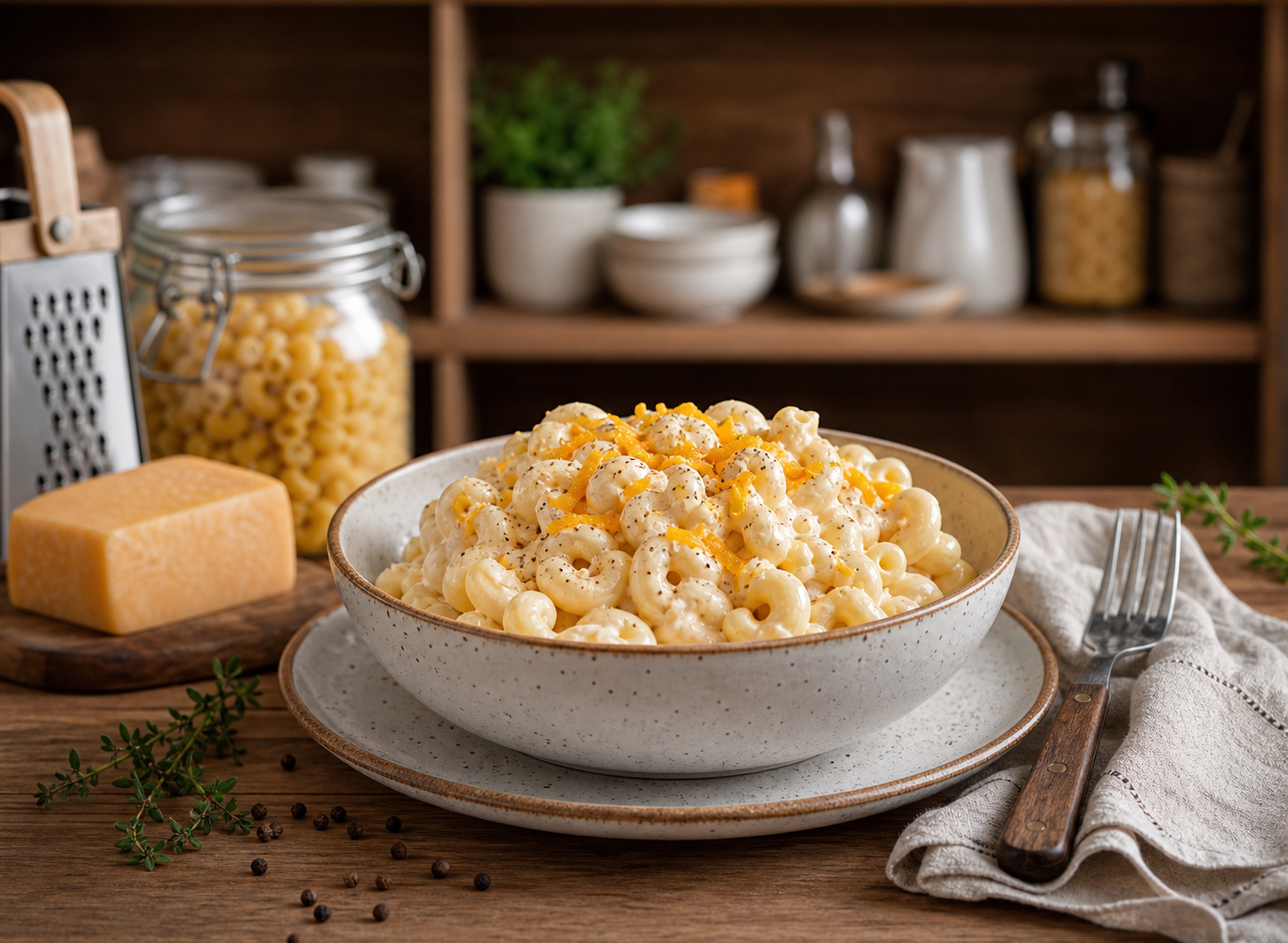
Protein-Packed Mac and Cheese
This High Protein Mac and Cheese is a healthier twist on the classic comfort food, made with high-protein pasta, cottage cheese, Greek yogurt, sharp cheddar, and Parmesan cheese. Rich, creamy, and packed with over 35 grams of protein per serving, it’s perfect for family dinners, meal prep, post-workout meals, or anyone looking for a nutritious yet satisfying mac and cheese recipe.
6
servings10
minutes15
minutes434
kcal25
minutesIngredients
12 ounces high-protein pasta (or whole wheat pasta)
1 cup low-fat cottage cheese
¾ cup plain Greek yogurt
1½ cups shredded sharp cheddar cheese
½ cup freshly grated Parmesan cheese
1 cup low-fat milk
2 teaspoons Dijon mustard
1 teaspoon garlic powder
½ teaspoon onion powder
½ teaspoon smoked paprika
Salt, according to taste
Freshly ground black pepper, according to taste
Directions
- Bring a large pot of salted water to a boil. Cook the high-protein pasta according to the package directions until al dente. Reserve ½ cup of pasta water, then drain.
- Place the cottage cheese, Greek yogurt, milk, Dijon mustard, garlic powder, onion powder, smoked paprika, salt, and black pepper into a blender. Blend until perfectly smooth.
- Pour the blended mixture into a saucepan over medium-low heat. Stir gently while warming.
- Gradually stir in the shredded cheddar and Parmesan cheese until completely melted and smooth.
- If the sauce becomes too thick, add a little reserved pasta water or extra milk until it reaches your desired consistency.
- Add the cooked pasta to the cheese sauce and stir gently until every piece is evenly coated.
- Garnish with fresh parsley, additional Parmesan cheese, or your favorite toppings before serving.
Nutrition Facts
- Calories: 434kcal
- Fat: 21g
- Carbohydrates: 34g
- Fiber: 6g
- Sugar: 6g
- Protein: 38g

