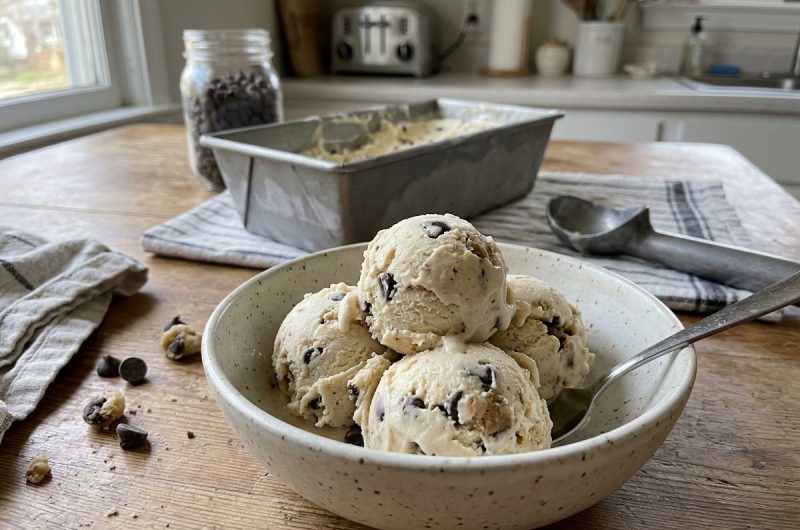

Cottage cheese ice cream is an easy homemade frozen dessert that combines a creamy texture, natural sweetness, and a satisfying boost of protein. Made with just four simple ingredients, this cottage cheese ice cream recipe is perfect for anyone who wants a delicious treat without the extra steps required for traditional ice cream.
There is no need for an ice cream machine, complicated custard preparation, or special cooking techniques. Simply blend the ingredients, freeze the mixture, and enjoy a thick, scoopable dessert at home.
This viral cottage cheese ice cream became popular on social media because it offers a different way to enjoy cottage cheese. Instead of serving it as a breakfast ingredient or a savory snack, this recipe transforms it into a sweet frozen treat.
Cottage cheese provides the creamy base, honey adds sweetness, peanut butter brings a rich nutty flavor, and chocolate chips give every serving a little crunch. Together, these ingredients create a dessert that tastes indulgent while providing more protein than many conventional ice cream options.
One of the best things about this easy cottage cheese ice cream is how little preparation it requires. You only need a food processor or a high-speed blender, a freezer-safe container, and a few minutes to combine everything. After blending, the mixture needs approximately four hours in the freezer to become firm enough to scoop. The result is a homemade frozen dessert that works well for warm afternoons, after-dinner treats, or whenever you want something sweet waiting in your freezer.
What Makes Cottage Cheese Ice Cream So Popular?
The appeal of cottage cheese ice cream comes from its simple ingredients and creamy consistency. Traditional homemade ice cream often requires heavy cream, egg yolks, sugar, and careful heating or churning. This version takes a much simpler approach by using cottage cheese as the main ingredient. Blending breaks down the curds and creates a smooth mixture that can be frozen into a dessert with a texture similar to a dense, creamy frozen treat.
Another reason this recipe attracts attention is its protein content. Cottage cheese naturally contains protein, making it a useful ingredient for people who want to include more protein in their everyday meals and snacks. This particular recipe provides approximately 22 grams of protein per serving when divided into three portions, based on the supplied nutritional information. Although it still contains sugar, carbohydrates, and fat, it offers a different nutritional profile from many traditional ice cream recipes.
The four-ingredient combination also makes this recipe approachable for beginner cooks. There is no complicated ingredient list to memorize, and the preparation method is easy to follow even if you rarely make homemade desserts. You can keep the original peanut butter and chocolate chip combination for a rich flavor, or experiment with additional ingredients once you understand the basic method. That flexibility makes cottage cheese ice cream a useful recipe to return to throughout the year.
Tips for the Creamiest Homemade Cottage Cheese Ice Cream
Choose the right cottage cheese
Full-fat cottage cheese is the recommended choice for this recipe because it generally provides a richer flavor and smoother mouthfeel. Low-fat varieties can also be used, but the finished dessert may feel less creamy. Check the consistency of the cottage cheese before blending, as some brands contain more liquid than others. Selecting a thick, fresh product can help you achieve a better result without changing the original ingredient quantities.
Blend until completely smooth
The most important preparation tip is to blend the base thoroughly. Cottage cheese naturally contains small curds, and those curds need to break down to create a texture suitable for ice cream. Take your time and scrape the sides of the blender or food processor when necessary. A smooth base will give you a more consistent frozen dessert, while insufficient blending may leave a grainy or uneven texture.
Protect the ice cream while freezing
Air exposure can contribute to ice crystals and freezer odors. Cover the container securely and, if desired, place a layer of freezer-safe plastic wrap directly against the surface before adding the lid. Keep the container level while the mixture freezes. These small steps help maintain a better texture, especially if you plan to store the ice cream for several days rather than eating it immediately.
Allow time for scooping
Do not expect homemade cottage cheese ice cream to scoop exactly like soft ice cream straight from a shop freezer. Without an ice cream machine, the mixture can freeze into a dense, firm consistency. Letting it stand for five to ten minutes usually makes serving easier. Avoid leaving it out for an extended period, particularly in a warm kitchen, because the edges may melt before the center softens.
Cottage Cheese Ice Cream Flavor Variations
Chocolate cottage cheese ice cream
For a richer chocolate flavor, blend one-half to one tablespoon of cocoa powder or cacao powder into the base before freezing. You can keep the original chocolate chips for extra texture. Unsweetened cocoa powder adds a deeper, slightly bitter chocolate taste, which can balance the honey. Remember that this is an optional variation rather than part of the original four-ingredient recipe.
Fruity cottage cheese ice cream
Strawberries, blueberries, bananas, mangoes, and peaches can add a fruity twist. Blend your chosen fruit into the cottage cheese mixture, keeping in mind that extra fruit may change the sweetness and water content. You can also swirl a little fruit jam through the mixture after blending for a more noticeable ribbon of flavor. Strawberry and banana are particularly appealing choices for a sweet, creamy frozen dessert.
Vanilla cottage cheese ice cream
Vanilla is an easy way to create a classic dessert flavor. Add vanilla extract to the blended base before freezing, or use vanilla bean paste if you prefer visible vanilla specks. Vanilla complements the honey and peanut butter without overwhelming the chocolate chips. This option is useful if you want a familiar flavor that pairs well with fruit, nuts, or a simple chocolate drizzle.
Strawberry cheesecake cottage cheese ice cream
For a cheesecake-inspired variation, combine strawberries with the creamy cottage cheese base and add crushed graham crackers. The strawberries contribute a fruity flavor, while the cracker pieces provide a texture reminiscent of a cheesecake crust. Fold the cracker pieces in near the end so they retain some crunch. Since this variation introduces additional ingredients, the original nutrition figures will no longer apply exactly.
Coffee and spiced variations
Coffee lovers can blend in a small amount of espresso or instant coffee powder to create a coffee-flavored frozen dessert. Start with a modest quantity so the coffee complements rather than dominates the other flavors. Alternatively, add a pinch of cinnamon, nutmeg, cardamom, or pumpkin pie spice for a warm, aromatic twist. These additions work best when used sparingly and mixed evenly throughout the base.
Is Cottage Cheese Ice Cream Healthy?
Cottage cheese ice cream can be a protein-rich alternative to some traditional desserts, but whether it is a healthy choice depends on your overall diet, serving size, and nutritional needs. Cottage cheese supplies protein, while peanut butter contributes fat and honey provides sweetness. The chocolate chips add flavor but also contribute to the total sugar, fat, and calorie content. The ingredients are simple, but the dessert should still be enjoyed in portions that suit your needs.
According to the supplied nutritional information, one serving contains approximately 284 calories and 22 grams of protein when the recipe is divided into three servings. These values make it an appealing option for people looking for a dessert with a meaningful amount of protein. However, the recipe is not sugar-free or low in carbohydrates. Honey naturally contains sugar, and the full nutritional profile depends on the specific cottage cheese, peanut butter, and chocolate chips used.
Cottage cheese ice cream is also not automatically suitable for every dietary requirement. People with dairy allergies should avoid the recipe unless they use an appropriate alternative and reformulate it accordingly. Anyone monitoring sodium, carbohydrates, or added sugars should check the labels of their ingredients and consider their individual nutritional needs. Treating this dessert as one part of a balanced eating pattern is a more useful approach than labeling it universally healthy or unhealthy.
Frequently Asked Questions
What type of cottage cheese is best for ice cream?
Full-fat cottage cheese is a good choice because it typically creates a richer, creamier result. A thick variety also blends well and helps avoid an overly watery mixture. Low-fat cottage cheese can work if that is what you have available, although the texture may differ slightly. Whatever variety you choose, blend it thoroughly to eliminate the curds before freezing.
Is cottage cheese ice cream healthy?
It can be a satisfying dessert option because cottage cheese provides protein, and this version supplies approximately 22 grams per serving according to the provided nutrition estimate. However, it also contains calories, carbohydrates, sugar, and fat. Whether it fits your dietary goals depends on portion size, the ingredients you choose, and your overall eating pattern.
Can you taste the cottage cheese?
The cottage cheese flavor becomes milder when it is blended with honey and peanut butter. The chocolate chips also help create a familiar dessert flavor. Some people may still notice a slight tang, especially when using cottage cheese with a stronger dairy flavor. Blending until completely smooth improves the texture, although it cannot guarantee that the cottage cheese taste will disappear entirely.
Why is my cottage cheese ice cream too hard?
Homemade cottage cheese ice cream can become very firm because it is frozen without the churning process used in many traditional ice cream recipes. It may also contain less fat and air than commercial varieties. Let the container sit at room temperature for five to ten minutes before scooping. If it remains too hard, wait a little longer and check the texture again.
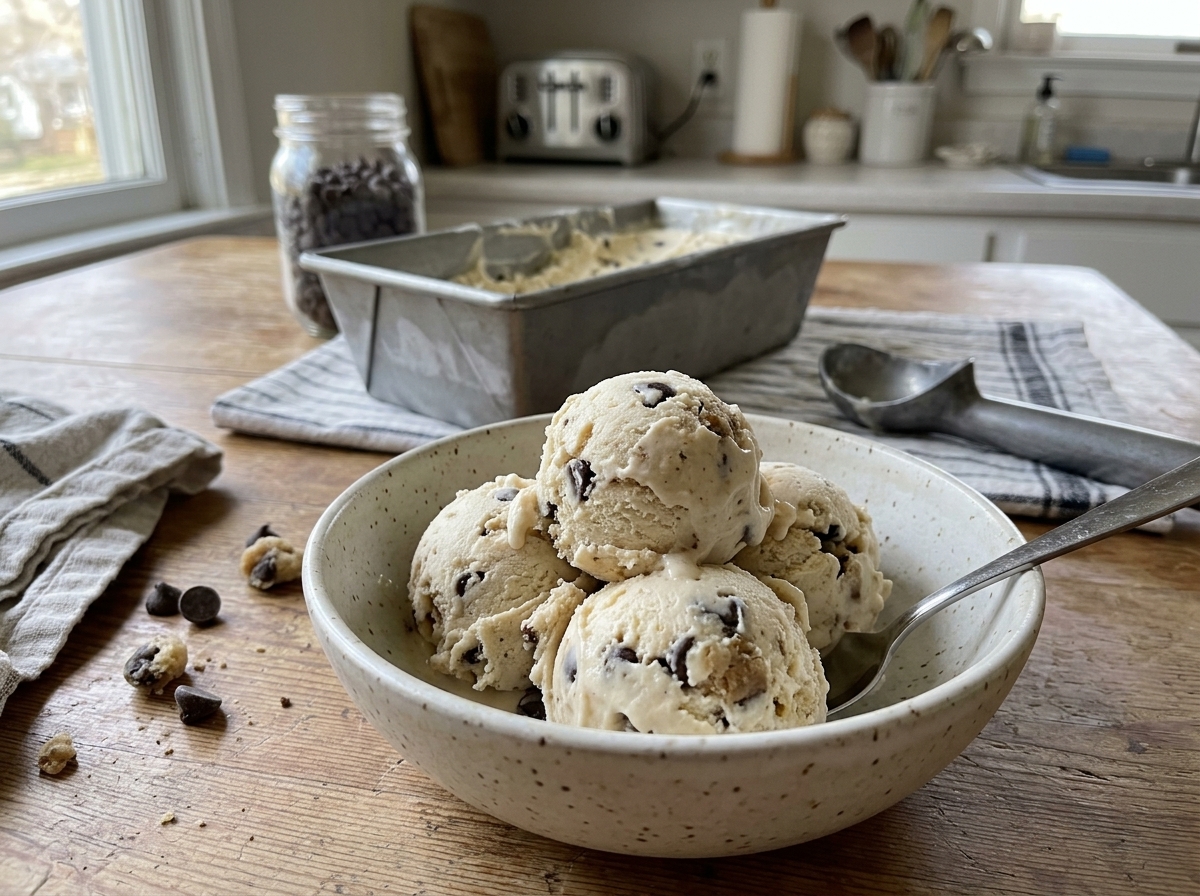
High Protein Cottage Cheese Ice Cream
This easy cottage cheese ice cream is a creamy, protein-rich frozen dessert made with just four ingredients: cottage cheese, honey, peanut butter, and chocolate chips.
3
servings10
minutes4
hours284
kcal4
hours10
minutesIngredients
2 cups (16 oz) full-fat cottage cheese
¼ cup honey
2 tablespoons peanut butter
2 tablespoons chocolate chips
Directions
- Blend the base:
Add the cottage cheese, honey, and peanut butter to a food processor or high-speed blender. Blend until completely smooth and creamy. - Add chocolate chips:
Transfer the mixture to a bowl if necessary and stir in the chocolate chips. - Freeze:
Pour the mixture back into the cottage cheese container or into a loaf pan. Cover and freeze for approximately 4 hours, or until firm. - Soften before serving:
Remove the ice cream from the freezer and let it sit at room temperature for 5–10 minutes. - Serve:
Scoop into bowls and enjoy your homemade cottage cheese ice cream.
Nutrition Facts
- Calories: 284kcal
- Fat: 12g
- Carbohydrates: 35g
- Fiber: 4g
- Sugar: 27g
- Protein: 22g
